
Översågat: Meaning, Techniques, Applications, and Safety in Modern Woodworking
The term översågat comes from the Swedish verb såga, meaning to saw. Literally, översågat refers to something that has been sawed through, cut across, or completely separated with a saw. Over time, the term has also gained broader usage in construction, carpentry, woodworking, furniture design, and material-processing industries to describe the result of a cut performed intentionally or unintentionally. Understanding what översågat means and how it applies to different materials, tools, and methods is essential for both beginners and advanced professionals working with wood, metal, or composite surfaces.
This article explores the concept of översågat in depth. It covers the linguistic roots, historical context of sawing, modern machinery, best techniques, safety protocols, common mistakes, industrial applications, digital design integration, and sustainability considerations. Whether you are a craftsman, DIY enthusiast, designer, or student, this comprehensive guide will provide the insights needed to use sawing techniques effectively and understand the full range of situations where the term översågat becomes relevant.
Understanding the Term Översågat
At its simplest, översågat means completely sawn through. The term is used in situations such as:
- A wooden plank cut all the way through
- A beam that breaks because it was sawn deeper than intended
- A material processed with a table saw, band saw, or hand saw and separated into two parts
- A technical instruction in construction, such as “biten är översågad,” meaning “the piece is cut through”
The Swedish language often uses descriptive compound expressions, making this term easy to understand for native speakers. The prefix över- implies over, across, or fully, while sågat indicates the completed action of sawing.
The Historical Background of Sawing
Sawing is an ancient practice, with the earliest tools traced back to Egyptian, Greek, and Chinese civilizations. Early saws were made of:
- Bronze
- Iron
- Obsidian
- Later, refined steel
Traditionally, sawing was a labor-intensive process requiring manual effort and precision. The concept of översågat likely existed in practice long before modern Swedish terminology emerged, because separating materials has always been central to construction and craftsmanship.
With the industrial revolution, sawing became more precise, widespread, and automated. Table saws, powered sawmills, and mechanical cutting techniques introduced consistent, uniform, and efficient cutting processes.
Today, the term översågat encompasses both manual and machine-powered methods, from a simple handsaw to advanced CNC systems.
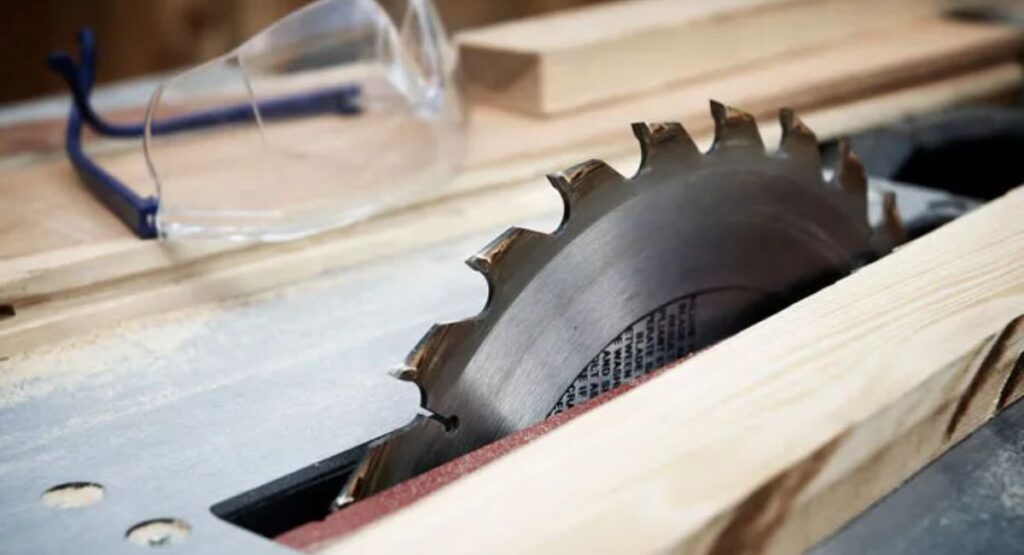
Tools Used to Produce an Översågat Cut
Different saw types produce different qualities of cuts. Some tools deliver smooth, straight lines, while others create rough edges or jagged finishes. Below is a table summarizing the most common saws used to produce översågat pieces:
Table: Common Saw Types and Their Characteristics
| Saw Type | Primary Use | Precision Level | Typical Finish |
|---|---|---|---|
| Handsaw | Basic wood cutting | Medium | Rough to moderate |
| Jigsaw | Curved and flexible cuts | Medium | Clean but often uneven |
| Circular Saw | Straight line cuts | High | Smooth, consistent |
| Table Saw | Furniture and construction panels | Very High | Very smooth and accurate |
| Band Saw | Thick or irregular materials | High | Smooth but sometimes wavy |
| Reciprocating Saw | Demolition and rough work | Low | Rough and broken edges |
Understanding the mechanics of each tool allows craftsmen to avoid overcutting and ensure the final product meets design specifications.
When Översågat Becomes a Problem
Although översågat simply describes a cut-through object, it often signals an error or unintended cut in professional settings. Some common issues include:
1. Structural Weakness
A support beam that is unintentionally cut can lose its load-bearing capacity. Even a partial cut may lead to cracks or collapse.
2. Design Inaccuracy
In woodworking or furniture building, cutting past a marked line results in joints that do not fit correctly.
3. Material Wastage
Over-cutting often forces workers to discard or shorten pieces, increasing cost and wasting material.
4. Safety Hazards
An overcut piece can break unexpectedly during installation or handling, causing injuries.
This is why precise sawing techniques are essential, especially in construction and engineering.
The Science Behind a Clean Översågat Cut
Achieving a clean, accurate cut involves understanding several technical factors:
Blade Tooth Count (TPI)
Higher TPI (teeth per inch) produces smoother cuts. Lower TPI removes material faster but creates rough edges.
Material Density
Softwood cuts easily; hardwood requires more blade pressure and higher precision. Composites or plastics respond differently based on heat sensitivity.
Cutting Speed
Too fast causes splintering. Too slow burns the wood. Balanced speed ensures accuracy.
Stability and Clamping
Unstable material leads to crooked or overcut lines. Clamping the piece prevents unwanted movement.
Saw Type and Condition
A dull blade increases resistance, causing deviation from the marked line and increasing the chances of an unintended översågat finish.
Techniques to Prevent an Unwanted Översågat Result
Professionals use preventive strategies to maintain precision. These include:
Marking and Measuring
Use high-quality pencils, chalk lines, or laser guides. Double-check measurements before cutting.
Selecting the Right Saw
For fine furniture, a table saw or circular saw ensures stability. For demolition, a reciprocating saw is appropriate.
Using Guides and Fences
A saw fence helps maintain straight lines. A cutting jig ensures identical repeated cuts.
Maintaining Blades
Sharpening and cleaning blades reduces resistance and prevents accidental overcutting.
Practicing the “Stop Line” Rule
Cut slowly when approaching the marked end point to avoid crossing the line.
Modern Applications of Översågat Material
The term applies to several industries:
Woodworking
Boards, beams, and decorative pieces are often intentionally översågad for design or structure.
Metalworking
Bandsaws and cutoff saws create precise översågat edges in aluminum, copper, and steel.
Construction
Contractors cut framing materials, roofing panels, pipes, and drywall daily.
Furniture Design
Controlled översågad edges are often part of stylistic patterns especially in Scandinavian minimalism.
Digital CNC Manufacturing
Advanced computer-controlled systems produce perfectly accurate översågad components, making the process more reliable than ever.
Safety Measures When Creating Översågat Cuts
Sawing remains one of the most dangerous operations in workshops. Key safety protocols include:
- Always wear protective goggles
- Tie back long hair
- Use push sticks near table saw blades
- Keep hands away from cutting lines
- Never operate machinery without training
- Disconnect machines when changing blades
- Avoid distractions
- Maintain a clean workspace
Following these rules prevents accidents and reduces the risk of catastrophic injuries.
The Role of Översågat in Design and Aesthetics
Interestingly, översågat edges have entered the world of artistic design. Some designers intentionally showcase exposed or raw cut surfaces to emphasize:
- Natural wood grain
- Contrast between smooth and rough textures
- Minimalist Scandinavian influences
- The authenticity of hand-crafted pieces
In this context, an översågat line becomes a stylistic choice rather than a mistake.
Environmental and Sustainability Considerations
Every cut affects material usage. Responsible craftsmen minimize waste by:
- Planning layouts efficiently
- Choosing renewable materials like sustainable timber
- Reusing offcuts in smaller projects
- Recycling metal scraps
- Using energy-efficient saws
- Avoiding unnecessary overcutting
Reducing översågat errors helps preserve resources and promotes eco-friendly practices.
Digital Tools for Perfect Översågat Accuracy
Modern woodworking benefits from digital aids:
- 3D modeling software
- Laser measurement tools
- CNC routers
- Smart saw calibration systems
- Mobile apps for cut planning
These tools drastically reduce human error and improve cutting precision.
Conclusion
The term översågat may seem simple at first referring to something that has been completely sawn through—but its applications reach far beyond basic definitions. From construction to fine woodworking, from safety protocols to advanced CNC engineering, the concept plays a vital role in material processing and craftsmanship. Understanding how to create, control, and prevent översågat cuts allows workers and designers alike to improve accuracy, reduce errors, enhance safety, and achieve high-quality results.
By appreciating the historical context, modern tools, safety procedures, and artistic possibilities behind översågat, one gains a deeper respect for the craft of sawing and the precision required in every cut. Whether you are an amateur or a professional, mastering the principles discussed in this article will help you transform raw materials into functional and beautiful designs with confidence and skill.