

Portuguese Azulejo: The Art, History, and Cultural Soul of Portugal
Portuguese azulejo is one of the most distinctive and recognizable art forms in the world. These decorative ceramic tiles are not merely architectural elements; they are visual storytellers that reflect centuries of history, cultural identity, and artistic mastery. Found across Portugal on buildings, churches, palaces, homes, and public spaces, azulejos transform walls into living canvases that preserve national memory and artistic expression.
Unlike ordinary tiles, Portuguese azulejos are deeply symbolic. They combine beauty with durability, tradition with innovation, and functionality with storytelling. This article explores the origins, evolution, artistic styles, production techniques, architectural significance, and modern relevance of Portuguese azulejo, revealing why it remains an enduring symbol of Portugal.
What Is Portuguese Azulejo
Portuguese azulejo refers to glazed ceramic tiles traditionally used for decorative and protective purposes. The word “azulejo” comes from the Arabic term “al-zulayj,” meaning “polished stone.” This origin highlights the historical influence of Islamic art on the Iberian Peninsula.
In Portugal, azulejos evolved into a unique art form characterized by intricate patterns, detailed imagery, and narrative panels. They are typically square tiles coated with a white glaze and painted with mineral pigments before being fired in a kiln. Although blue and white designs are the most iconic, azulejos also feature a wide range of colors and artistic styles.
The history of Portuguese azulejo dates back to the late 15th century, when tiles were introduced through contact with Moorish and Spanish traditions. Early azulejos featured geometric and symmetrical patterns, reflecting Islamic artistic principles that avoided figurative imagery.
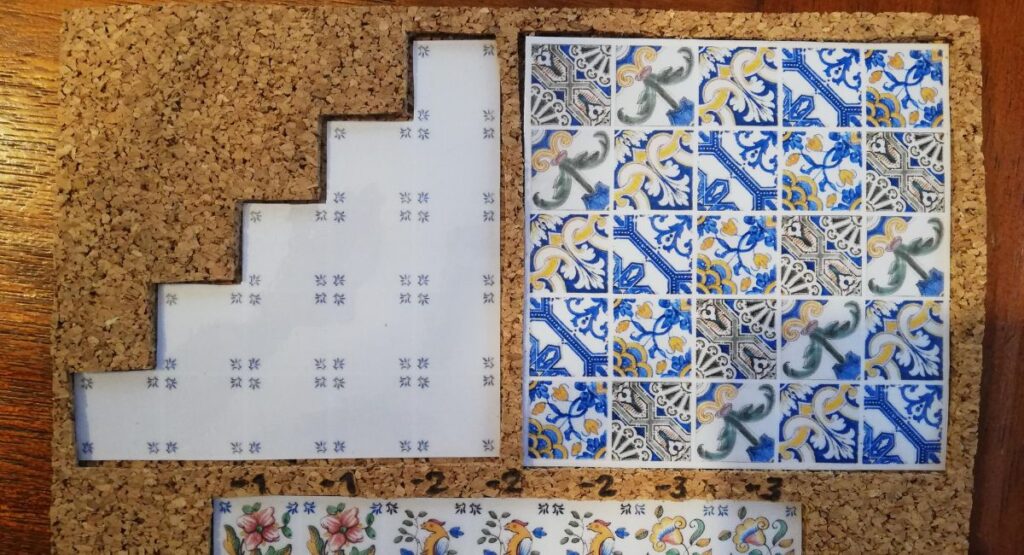
Historical Origins of Azulejo in Portugal
By the 16th century, Portuguese artisans began producing their own tiles locally, moving beyond imported designs. This marked the beginning of a uniquely Portuguese style. During this period, azulejos became more decorative and expressive, incorporating floral motifs, symbolic elements, and later figurative scenes.
The 17th and 18th centuries represented the golden age of Portuguese azulejo. Large-scale panels depicting historical events, religious narratives, pastoral scenes, and daily life became common. These panels were not only decorative but also educational, communicating stories to a largely illiterate population.
The Iconic Blue and White Style
One of the most recognizable features of Portuguese azulejo is the blue and white color palette. This style was influenced by Chinese porcelain imported into Europe and by Dutch Delftware. Portuguese artists embraced this aesthetic and adapted it into large narrative compositions.
The blue and white azulejos often portray complex scenes with remarkable detail and emotional depth. Churches, monasteries, and palaces are adorned with these panels, which function almost like murals made of ceramic. The contrast between blue pigment and white glaze creates a timeless elegance that continues to captivate viewers.
Artistic Themes and Visual Storytelling
Portuguese azulejos are deeply narrative. Unlike many decorative tiles used purely for ornamentation, azulejos often tell stories. These stories can be religious, historical, mythological, or related to everyday life.
Religious themes include biblical scenes, saints, and moral lessons. Historical panels depict battles, royal events, maritime discoveries, and significant moments in Portuguese history. Secular themes show hunting scenes, rural landscapes, romantic encounters, and traditional occupations.
Through these visual stories, azulejos serve as historical documents, preserving social values, customs, and beliefs from different periods.
Traditional Techniques of Azulejo Production
The creation of Portuguese azulejo is a meticulous and highly skilled process. Traditionally, artisans begin by shaping clay into square tiles, which are then dried and fired to create a ceramic base. A white tin glaze is applied, forming a smooth surface for painting.
Artists paint designs by hand using mineral pigments, often working freehand without preliminary sketches. The tiles are then fired again at high temperatures, permanently fixing the artwork into the glaze. This process requires precision, experience, and artistic sensitivity, as mistakes cannot be easily corrected.
Each hand-painted azulejo is slightly unique, adding to its artistic value and authenticity.
Azulejo in Portuguese Architecture
Azulejos play a central role in Portuguese architecture. They are used on both interiors and exteriors, covering walls, facades, staircases, courtyards, and ceilings. Beyond aesthetics, azulejos serve practical purposes by protecting surfaces from moisture, heat, and wear.
In cities like Lisbon and Porto, entire building facades are covered in azulejos, creating a visually rich urban landscape. Churches and palaces use azulejo panels to enhance spiritual and ceremonial spaces, while train stations and public buildings showcase them as symbols of national pride.
Walking through Portugal often feels like walking through an open-air museum of ceramic art.
Types of Portuguese Azulejo
| Type of Azulejo | Key Characteristics | Historical Period |
|---|---|---|
| Geometric | Repetitive patterns and symmetry | 15th–16th century |
| Polychrome | Multiple vibrant colors | 16th–17th century |
| Blue and White | Narrative scenes, elegant contrast | 18th century |
| Industrial | Mass-produced designs | 19th century |
| Contemporary | Modern interpretations and styles | 20th–21st century |
Azulejo During the Industrial Era
The 19th century brought industrialization, which transformed azulejo production. Tiles began to be manufactured on a larger scale, making them more affordable and accessible. This period saw the rise of patterned facade tiles used in urban housing.
Although industrial methods reduced the level of handcrafting, they allowed azulejos to spread across cities and become a defining feature of Portuguese urban identity. Even mass-produced tiles maintained aesthetic value and cultural significance.
Preservation and Cultural Importance
Portuguese azulejos are considered a vital part of the nation’s cultural heritage. Many historic panels are protected by preservation laws, and restoration projects aim to conserve damaged or aging tiles.
Museums dedicated to azulejo art play an essential role in education and conservation. They document the evolution of styles, techniques, and themes, ensuring that this artistic tradition is passed on to future generations.
Azulejos are not only decorative artifacts but also carriers of collective memory and national identity.
Contemporary Azulejo and Modern Design
In contemporary Portugal, azulejo continues to evolve. Modern artists and designers reinterpret traditional motifs using new materials, colors, and concepts. Azulejo-inspired designs appear in modern architecture, interior design, fashion, and graphic art.
While respecting tradition, contemporary azulejo embraces innovation. This balance between heritage and creativity ensures that azulejo remains relevant in a rapidly changing world.
Global Influence of Portuguese Azulejo
Portuguese azulejo has influenced ceramic traditions beyond Portugal, particularly in former Portuguese colonies. Its visual language can be seen in architecture and decorative arts across different regions.
Today, azulejos are admired worldwide for their craftsmanship and artistic depth. Collectors, architects, and designers incorporate them into international projects, further extending their cultural reach.
Why Portuguese Azulejo Remains Timeless
The enduring appeal of Portuguese azulejo lies in its ability to unite art, history, and function. It adapts to different eras while preserving its essence. Whether ancient or modern, simple or elaborate, azulejos continue to resonate emotionally and visually.
They offer beauty with meaning, decoration with purpose, and tradition with adaptability. This timeless quality ensures that Portuguese azulejo will remain an iconic art form for generations to come.
Conclusion
Portuguese azulejo is far more than decorative tilework. It is a profound artistic expression that reflects centuries of Portuguese culture, history, and creativity. Through its colors, patterns, and stories, azulejo transforms ordinary spaces into extraordinary narratives. From its origins influenced by Islamic art to its modern reinterpretations, Portuguese azulejo stands as a testament to the enduring power of craftsmanship and cultural identity. Its presence across Portugal and beyond ensures that this unique art form will continue to inspire, educate, and captivate the world.