
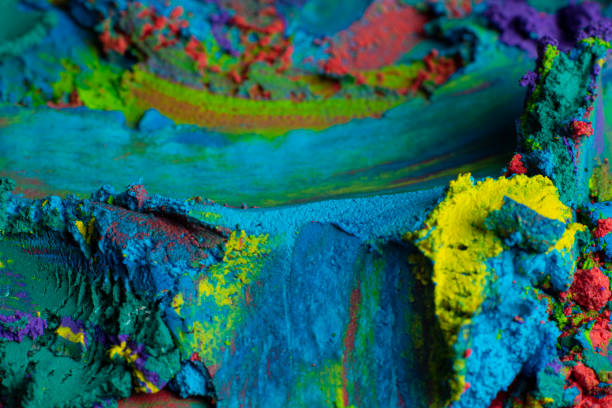
Hochre, often referred to as ochre in historical texts, is one of humanity’s oldest and most versatile pigments. Derived from iron-rich clay and minerals, Hochre provides earthy tones ranging from deep reds to warm yellows and browns. Its timeless appeal has made it a staple in art, architecture, rituals, and cultural practices across the globe. Unlike synthetic pigments, Hochre combines durability with eco-friendliness, making it an ideal choice for both traditional and modern applications. This article explores Hochre’s origins, composition, production, uses, cultural significance, and modern relevance in a detailed and structured manner.
Origins and Historical Significance
Prehistoric Use
Hochre is among the earliest pigments used by humans, with evidence dating back tens of thousands of years. Cave paintings in Africa, Europe, and Australia feature Hochres pigments, showcasing its role in early human expression. These early uses were not merely decorative; Hochre swas tied to spiritual rituals, communication, and symbolic storytelling.
Ancient Civilizations
- Egypt: Hochres was used in tomb paintings, symbolizing life, fertility, and protection.
- Greece and Rome: Frescoes and pottery incorporated Hochre for its stability and warm tones.
- Indigenous Cultures: In Africa, Australia, and the Americas, Hochre was essential for body decoration, rituals, and tribal identification.
| Civilization | Application | Symbolism |
|---|---|---|
| Egypt | Tomb murals | Life, divinity, protection |
| Greece & Rome | Pottery, frescoes | Beauty, permanence |
| Indigenous Tribes | Body art, rituals | Identity, spiritual meaning |
Hochre Through the Ages
During the Renaissance, Hochres became a preferred pigment for artists due to its lightfastness and subtle earthy tones. Over centuries, it evolved into a versatile medium not only in art but also in construction, interior design, and ceremonial practices.
Composition and Types of Hochre
Mineral Makeup
Hochre primarily consists of iron oxides mixed with clay and other minerals. Its composition gives it natural stability, resistance to fading, and a wide range of earthy tones.
Types of Hochre
- Yellow Hochre – Hydrated iron oxide; bright and earthy.
- Red Hochre – Rich in ferric oxide; intense and deep.
- Brown Hochre – Mix of iron oxides; warm neutral tones.
- Umber/Purple Variants – Contain manganese; rare and valuable for fine arts.
| Type | Color | Common Uses |
|---|---|---|
| Yellow Hochre | Pale yellow to golden | Paints, plaster, decorative finishes |
| Red Hochre | Brick red to deep red | Frescoes, pottery, murals |
| Brown Hochre | Light brown to chocolate | Interior walls, art, natural pigments |
| Umber/Purple | Dark brown/purple | High-quality artworks, specialized paints |
Natural vs Synthetic Hochre
While natural Hochre is extracted directly from mineral sources, synthetic versions are manufactured for consistent color and purity. However, many artists and conservationists prefer natural Hochre for its authenticity, ecological benefits, and historical significance.
Production and Processing
Traditional Methods
Traditional Hochres production involves mining iron-rich clay, drying it, and grinding it into fine powder. The pigment is often washed and sieved to remove impurities. This labor-intensive process ensures a high-quality, long-lasting product.
Modern Techniques
Modern production methods enhance consistency and usability:
- Crushing and milling raw minerals
- Calcination to intensify color
- Blending with binders for paints and plasters
Environmental Impact
Hochre production is environmentally friendly. It is non-toxic, biodegradable, and requires minimal chemical processing, making it a sustainable alternative to synthetic pigments.
Applications of Hochre
Artistic Uses
Hochre has been a mainstay in painting, sculpture, and pottery for centuries. Its natural tones offer warmth and subtlety, making it ideal for both traditional and modern artistic works.
| Medium | Usage |
|---|---|
| Paints | Base tones, underpainting, highlights |
| Frescoes | Wall and ceiling murals |
| Sculpture | Coloring clay, plaster, and stone |
| Pottery | Glazes and surface decoration |
Architectural Applications
Hochre is commonly used in construction and interior design:
- Plaster for walls
- Stucco for exterior finishes
- Pigmented concrete and tiles
Its natural, warm tones enhance aesthetic appeal while maintaining durability.
Cultural and Ritualistic Uses
Hochre is prominent in cultural ceremonies and body art:
- Indigenous Australian rock paintings
- African tribal body decoration
- Native American ritual patterns
It symbolizes identity, spirituality, and cultural heritage.Hochre in Modern Design
Interior Design
Designers use Hochre to create earthy, calming spaces. It complements natural wood, stone, and textiles in homes and offices. Applications include:
- Wall paints and decorative finishes
- Accent colors for furniture and fabrics
Fashion and Cosmetics
Eco-friendly and natural, Hochre is widely used in cosmetics:
- Eye shadows, blush, and lip tints
- Face powders and body paints
Its hypoallergenic and non-toxic properties make it safe for sensitive skin.
Industrial Applications
Hochre pigments are also used in:
- Colored concrete and bricks
- Heat-resistant coatings
- Sealants and decorative surfaces
Advantages of Hochre
- Durability: Resistant to fading over time.
- Eco-Friendly: Natural and biodegradable.
- Versatility: Suitable for art, architecture, cosmetics, and industry.
- Aesthetic Value: Offers warm, earthy tones.
- Cultural Significance: Rich historical and spiritual symbolism.
Challenges and Considerations
| Challenge | Effect | Mitigation |
|---|---|---|
| Color variability | Uneven artistic results | Blend or use synthetic supplementation |
| Limited availability | Higher costs in some regions | Alternative sourcing or imports |
| Impurities | Reduced pigment quality | Proper washing and sieving |
Caring for Hochre Materials
Artworks
- Store in cool, dry places
- Avoid direct sunlight
- Apply conservation-grade varnishes
Building Materials
- Dust gently
- Avoid harsh chemical cleaners
- Reapply natural sealants as needed
Cosmetics
- Keep containers airtight
- Prevent moisture contamination
- Test for skin sensitivity before use
Cultural Importance Across the World
Hochre continues to hold cultural significance:
- Africa: Ceremonial rituals and tribal identity
- Australia: Aboriginal rock and sand art
- Americas: Ritual patterns and storytelling
- Europe: Medieval manuscripts and frescoes
Its longevity illustrates the enduring power of natural colors in human culture.
Future Prospects
Hochre is witnessing a revival in the era of sustainable and natural products:
- Eco-conscious artists prefer natural pigments
- Interior designers integrate Hochres for biophilic design
- Cosmetics companies adopt natural Hochres for health-friendly makeup
Conclusion
Hochre is far more than just a pigment; it is a bridge between nature, art, and culture that has endured for tens of thousands of years. From prehistoric cave paintings to modern interior design and cosmetics, Hochre’s earthy tones have remained a symbol of human creativity, spirituality, and connection to the natural world. Its durability, eco-friendliness, and versatility make it a valuable resource even in today’s fast-paced, synthetic-driven world. By understanding its origins, types, applications, and cultural significance, we gain an appreciation not only for its aesthetic beauty but also for the stories, traditions, and craftsmanship it represents. As sustainability and natural products become increasingly important, Hochre continues to hold relevance, offering timeless appeal and practical utility for artists, designers, and cultural enthusiasts alike. Embracing Hochre is, in essence, embracing a living heritage of color, history, and human ingenuity.
FAQs
Q1: What is Hochre made from?
A1: Hochre is made from iron oxides mixed with clay and other minerals, giving it earthy red, yellow, and brown tones.
Q2: Is Hochre safe for cosmetic use?
A2: Yes, natural Hochre is non-toxic, hypoallergenic, and suitable for skin applications like eye shadows and face powders.
Q3: Can Hochre be used in modern art and interiors?
A3: Absolutely. Hochre provides warm, earthy tones ideal for contemporary art, decorative finishes, and interior design.
Q4: How is Hochre different from synthetic pigments?
A4: Natural Hochre is eco-friendly and historically significant, while synthetic pigments provide uniform color but lack ecological benefits.
Q5: How should Hochre materials be preserved?
A5: Store in dry, cool conditions, avoid direct sunlight, use natural sealants for surfaces, and handle cosmetics carefully.