
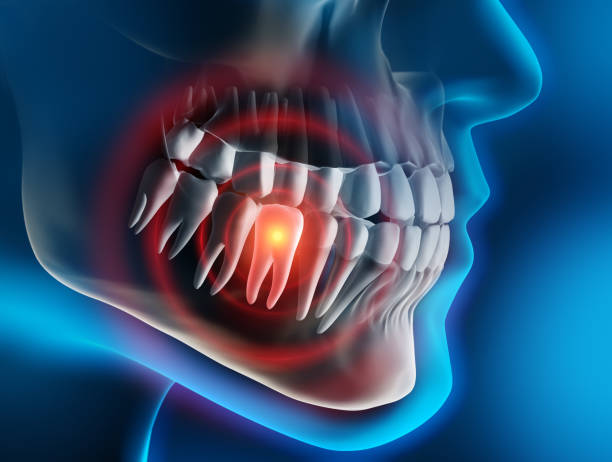
Tooth nerve pain is often described as one of the most intense and disruptive types of discomfort a person can experience. It can strike suddenly, making eating, drinking, speaking, and even sleeping extremely difficult. Many people search for quick and permanent solutions, including phrases like “kill tooth pain nerve in 3 seconds permanently,” hoping for instant relief. While the desire for immediate comfort is understandable, it is important to approach dental pain safely and realistically. The nerve inside a tooth, known as the pulp, cannot be safely “killed” at home without proper dental treatment. Attempting to do so can lead to serious infection, tooth loss, and long-term health complications.
Tooth nerve pain usually develops when the inner pulp becomes inflamed or infected. This can happen because of deep cavities, cracked teeth, gum disease, trauma, or repeated dental procedures. The pulp contains nerves and blood vessels that keep the tooth alive. When bacteria reach this area, pressure builds inside the tooth, causing throbbing or sharp pain. Sensitivity to hot and cold, swelling, and lingering discomfort are common symptoms. In some cases, the pain becomes so severe that people seek extreme remedies. However, understanding the cause of nerve pain is the first step toward safe and effective relief.
There is no scientifically proven method to permanently eliminate tooth nerve pain in seconds without professional treatment. However, there are safe ways to manage discomfort quickly and obtain long-lasting solutions through dental care. This article explains the reality behind tooth nerve pain, how to find fast relief, and what treatments truly provide permanent results.
The Myth of Instant Permanent Nerve Relief
Many online searches promise instant solutions that claim to eliminate tooth nerve pain immediately. These claims often oversimplify a complex medical issue. The tooth nerve cannot be safely destroyed in seconds using home remedies or over-the-counter products. Even if pain temporarily decreases, the underlying infection or damage remains. Ignoring the root cause can allow bacteria to spread deeper into the tooth and surrounding tissues, potentially leading to abscesses or systemic infection.
Dentists emphasize that permanent relief usually requires professional procedures such as root canal therapy, pulp capping, or extraction. These treatments remove the source of infection and protect the surrounding bone and gums. Temporary measures can help manage pain while waiting for a dental appointment, but they are not permanent cures.
Understanding this distinction helps prevent risky decisions. Quick fixes may seem appealing when pain is intense, but long-term dental health depends on safe, evidence-based care. The goal should be rapid relief combined with proper treatment rather than unsafe attempts to “kill” the nerve at home.
Causes of Severe Tooth Nerve Pain
Deep Cavities and Decay
Tooth decay is one of the most common reasons for nerve pain. When bacteria break down enamel and dentin, they eventually reach the pulp. At this stage, the nerve becomes inflamed and extremely sensitive. Even small temperature changes or pressure can trigger intense pain.
Cracked or Broken Teeth
A cracked tooth can expose the pulp, allowing bacteria to enter. Cracks may be caused by biting hard foods, grinding teeth, or injury. Pain often worsens when chewing or when the tooth is exposed to temperature changes.
Gum Infection and Recession
Advanced gum disease can expose tooth roots and nerves, leading to sharp pain and sensitivity. Infection around the tooth can also spread to the pulp, causing severe discomfort.
Dental Procedures or Trauma
Recent dental work or injury can irritate the pulp. In some cases, the nerve becomes inflamed but eventually heals. In others, the damage leads to persistent pain requiring treatment.
Abscess Formation
An abscess is a pocket of infection that forms at the root of a tooth. It causes throbbing pain, swelling, and sometimes fever. This condition requires urgent dental care and cannot be resolved with home remedies alone.
Quick Ways to Reduce Tooth Nerve Pain Safely
While there is no safe method to permanently eliminate the nerve at home, several strategies can reduce pain quickly and help you stay comfortable until you see a dentist.
Cold Compress
Applying a cold compress to the outside of the cheek near the painful tooth can reduce inflammation and numb the area temporarily. Cold therapy slows nerve signals and decreases swelling, providing quick relief.
Saltwater Rinse
A warm saltwater rinse can help clean the area and reduce bacteria. It also soothes irritated tissues. This method is simple, safe, and often effective for temporary comfort.
Over-the-Counter Pain Relievers
Non-prescription pain relievers can help reduce inflammation and discomfort. They should be used according to instructions and not as a long-term solution. If pain persists, dental treatment is necessary.
Avoiding Triggers
Avoid very hot, cold, sweet, or hard foods that can aggravate nerve pain. Choosing soft foods and chewing on the opposite side of the mouth can help reduce discomfort.
Elevating the Head
Keeping the head elevated while resting can reduce blood pressure in the affected area, helping to minimize throbbing pain.
Professional Treatments That Provide Permanent Relief
Permanent relief from tooth nerve pain typically requires dental treatment. These procedures address the root cause of the problem rather than simply masking symptoms.
Root Canal Therapy
Root canal treatment is one of the most common ways to eliminate tooth nerve pain permanently. During this procedure, the dentist removes the infected pulp, cleans the inside of the tooth, and seals it. The tooth is then restored with a filling or crown. Once the infected nerve is removed, pain usually disappears.
Dental Fillings
If decay has not reached the pulp completely, a filling can remove the damaged portion and protect the nerve. This treatment prevents further infection and preserves the tooth.
Pulp Capping
When the pulp is exposed but still healthy, a dentist may place a protective covering to help it heal. This can prevent the need for more extensive treatment.
Tooth Extraction
In cases where the tooth cannot be saved, extraction may be necessary. Removing the tooth eliminates the source of pain and infection. Replacement options such as implants or bridges can restore function and appearance.
Comparison of Temporary vs Permanent Solutions
| Approach | Speed of Relief | Long-Term Effectiveness | Safety Level | Professional Care Needed |
|---|---|---|---|---|
| Cold compress | Fast | Temporary | High | No |
| Saltwater rinse | Moderate | Temporary | High | No |
| Pain relievers | Fast | Temporary | High (when used properly) | No |
| Root canal | Moderate | Permanent | Very high | Yes |
| Extraction | Moderate | Permanent | Very high | Yes |
| Ignoring pain | None | Worsens condition | Very low | Yes |
This table highlights that while temporary relief methods can help manage discomfort quickly, only professional treatments provide lasting solutions.
Why Attempting to Kill a Tooth Nerve at Home Is Dangerous
Trying to permanently eliminate a tooth nerve without professional care can lead to serious complications. The pulp chamber is a closed environment, and introducing chemicals or extreme temperatures can damage surrounding tissues. Infection may spread to the jawbone or bloodstream, leading to severe health risks.
Additionally, home attempts often fail to remove all infected tissue. This allows bacteria to remain inside the tooth, causing recurring pain and further damage. Dentists use specialized tools and sterile techniques to ensure complete removal of infection and proper sealing of the tooth. This level of precision cannot be achieved safely at home.
Preventing Future Tooth Nerve Pain
Preventing tooth nerve pain is easier than treating it. Consistent oral hygiene and regular dental checkups can reduce the risk of cavities and infections. Brushing twice daily, flossing, and limiting sugary foods are essential habits. Wearing a mouthguard during sports or if you grind your teeth can also protect against damage.
Regular dental visits allow early detection of problems before they reach the nerve. Small cavities can be treated quickly, preventing more serious pain later. Prevention not only protects your teeth but also saves time, money, and discomfort.
Psychological Impact of Severe Tooth Pain
Severe tooth nerve pain affects more than just physical comfort. It can disrupt sleep, reduce concentration, and impact mood. Persistent pain may cause anxiety and stress, especially when it interferes with daily activities. Understanding that effective treatment is available can provide reassurance. Seeking professional help promptly reduces both physical and emotional strain.
When to See a Dentist Immediately
Certain symptoms indicate the need for urgent dental care. These include swelling in the face or gums, fever, difficulty swallowing, a foul taste in the mouth, or pain that does not improve with temporary measures. These signs may indicate an abscess or serious infection that requires immediate treatment.
Delaying care can worsen the condition and make treatment more complicated. Early intervention often leads to faster recovery and better outcomes.
Practical Tips for Managing Pain Before Your Appointment
While waiting for a dental visit, maintain good oral hygiene and avoid chewing on the affected side. Use gentle brushing and rinsing to keep the area clean. Staying hydrated and avoiding extreme temperatures in food and drinks can also help reduce sensitivity.
Keeping track of symptoms can help your dentist diagnose the issue more quickly. Note when the pain started, what triggers it, and whether it is constant or intermittent. This information supports accurate treatment planning.
Long-Term Outlook After Treatment
Once the underlying cause of nerve pain is treated, most people experience significant relief. Root canal therapy and other procedures have high success rates. With proper care, treated teeth can last many years. Regular dental visits and good hygiene practices help maintain results and prevent future issues.
Conclusion
The idea of killing tooth nerve pain instantly and permanently in seconds is appealing but unrealistic and potentially dangerous when attempted without professional care. Tooth nerve pain is usually a sign of infection or damage that requires proper dental treatment. While temporary relief methods can help manage discomfort quickly, permanent solutions involve addressing the underlying cause through procedures such as root canals, fillings, or extractions. Seeking professional care ensures safety, prevents complications, and restores comfort. By understanding the causes of tooth nerve pain and choosing safe, evidence-based treatments, you can achieve lasting relief and protect your overall oral health.
Frequently Asked Questions
Is it possible to kill a tooth nerve instantly at home?
No safe method exists to permanently eliminate a tooth nerve at home. Professional dental treatment is required for lasting relief and safety.
What provides the fastest temporary relief from tooth nerve pain?
Cold compresses, gentle rinses, and appropriate pain relievers can reduce discomfort quickly while waiting for dental care.
Will tooth nerve pain go away on its own?
Sometimes mild inflammation resolves, but severe or persistent pain usually indicates a deeper problem that requires professional treatment.
Is a root canal painful?
Modern root canal procedures are typically performed with anesthesia and are designed to relieve pain, not cause it.
How can I prevent future nerve pain?
Regular brushing, flossing, dental checkups, and early treatment of cavities help prevent nerve damage and severe pain.