
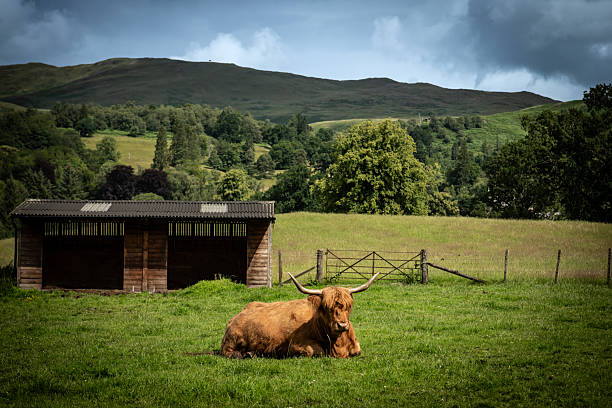
The Mini Highland Cow, a smaller variant of the traditional Highland cattle from Scotland, is a unique and charming breed that has gained popularity worldwide for its gentle temperament, iconic long hair, and manageable size. These cows are often considered the perfect blend of rustic charm and practicality for small farms, hobbyists, and even urban homesteaders. Unlike their larger counterparts, Mini Highland Cows are easier to maintain, require less space, and are well-suited for families or individuals interested in sustainable farming or pet livestock.
Originating in the Scottish Highlands, the traditional Highland cow is renowned for its resilience, ability to thrive in harsh climates, and distinctive long coat that protects against cold and rain. Mini Highland Cows inherit these characteristics while being proportionally smaller, typically standing between 28 to 36 inches at the shoulder. Their reduced size does not compromise their hardiness or adaptability, making them a fascinating subject of study for breeders, farmers, and animal enthusiasts alike.
Physical Characteristics
Size and Weight
Mini Highland Cows are distinctively smaller than full-sized Highland cattle. Adult mini cows typically weigh between 400 to 600 pounds, while bulls may reach up to 800 pounds. Height ranges from 28 to 36 inches at the shoulder, depending on genetics and diet. Despite their compact size, they maintain the muscular build and robust bone structure characteristic of Highland cattle.
Coat and Color Variations
The most iconic feature of Mini Highland Cows is their thick, double-layered coat, which serves as protection against extreme weather conditions. Their hair is long, shaggy, and soft, covering both their body and eyes, giving them a distinct “cute” appearance. Coat colors vary widely, including red, black, yellow, brindle, silver, dun, and white. These variations add aesthetic diversity, making them highly desirable among small farm owners and animal lovers.
| Feature | Description |
|---|---|
| Weight (Cows) | 400–600 lbs |
| Weight (Bulls) | Up to 800 lbs |
| Height | 28–36 inches |
| Coat Type | Double-layered, long, shaggy |
| Common Colors | Red, black, yellow, silver, dun, brindle, white |
| Lifespan | 12–20 years |
Horns and Facial Features
Like standard Highland cattle, Mini Highland Cows develop horns, although they are smaller in proportion to their body size. Cows typically have gently curved horns, while bulls often develop thicker, more prominent horns. Their eyes are large and expressive, partially obscured by long bangs, giving them an endearing, approachable appearance.
Temperament and Behavior
Gentle and Friendly Nature
One of the most appealing aspects of Mini Highland Cows is their gentle and calm temperament. They are generally docile, making them safe for children and inexperienced livestock handlers. These cows are social animals that enjoy interaction with humans and other livestock, forming strong bonds with caretakers over time.
Intelligence and Adaptability
Mini Highland Cows are intelligent creatures capable of learning routines, responding to commands, and even recognizing individual people. Their adaptability allows them to thrive in diverse climates, including regions with harsh winters or wet conditions, reflecting the resilience of their Highland ancestors.
Social Behavior
Mini Highland Cows prefer living in herds rather than isolation. In the wild or farm setting, they exhibit cooperative behavior, grooming one another, and establishing a social hierarchy. They communicate through subtle vocalizations, body language, and movements, which indicates emotional and social intelligence.
Habitat and Living Conditions
Space Requirements
While smaller than traditional Highland cattle, Mini Highland Cows still require adequate space to roam and graze. Ideally, one cow should have at least 0.5 to 1 acre of pasture. A small herd will require additional space to prevent overgrazing and ensure the cows remain healthy and content.
Shelter Needs
Despite their thick coats, Mini Highland Cows require basic shelter to protect them from extreme weather, particularly in regions with high winds or heavy snowfall. A three-sided shed with adequate bedding and dry ground is sufficient to meet their shelter needs.
Climate Adaptation
Thanks to their double-layered coat, Mini Highland Cows are highly adaptable to colder climates. In hotter regions, providing shade and plenty of water is crucial to prevent heat stress. Their resilience makes them ideal for diverse geographical locations, from temperate farmlands to mountainous regions.
Diet and Nutrition
Grazing and Forage
Mini Highland Cows are primarily grazers, feeding on grass, clover, and other pasture plants. Their digestive system is adapted to extract nutrients efficiently from coarse forage, which reduces the need for supplemental feed in well-maintained pastures. Rotational grazing is recommended to maintain soil health and pasture quality.
Supplemental Feeding
During winter months or in areas with poor pasture quality, supplementation with hay, silage, and specially formulated cattle feed ensures proper nutrition. Mineral blocks and salt licks are also recommended to prevent deficiencies in essential minerals such as calcium, phosphorus, and magnesium.
Water Requirements
Water intake is essential for Mini Highland Cows’ health. On average, an adult cow drinks 10–15 gallons of water per day, but this can increase during hot weather or lactation. Fresh, clean water should always be available.
| Nutrient Source | Purpose |
|---|---|
| Grass & Clover | Primary nutrition, fiber |
| Hay & Silage | Winter and supplemental feed |
| Mineral Blocks | Prevent deficiencies in calcium, magnesium, phosphorus |
| Fresh Water | Hydration and digestive health |
Breeding and Reproduction
Breeding Age
Mini Highland Cows reach sexual maturity between 18 to 24 months. Breeding is carefully managed to maintain the health of both cow and calf, particularly due to their smaller size.
Gestation and Calving
Gestation lasts approximately 9 months, similar to larger cattle breeds. Mini Highland cows are known for easy calving, which reduces the need for intensive human intervention. Calves are born small and adorable, often weighing between 40–60 pounds at birth.
Calf Rearing
Mini Highland cows are attentive mothers, providing sufficient milk and protection for calves. Calves typically begin grazing at 2–3 weeks old but continue nursing for several months. Socialization with the herd is important for behavioral development.
| Reproductive Feature | Mini Highland Cow Details |
|---|---|
| Sexual Maturity | 18–24 months |
| Gestation Period | 9 months |
| Birth Weight of Calves | 40–60 pounds |
| Calving Difficulty | Low |
| Nursing Period | 2–6 months |
Health and Common Issues
General Health
Mini Highland Cows are generally hardy with a robust immune system. Their longevity ranges from 12–20 years, depending on care, diet, and living conditions. Regular veterinary check-ups, vaccinations, and parasite control are essential to maintain optimal health.
Common Health Concerns
Although hardy, Mini Highland Cows may encounter health issues such as:
- Hoof problems: Overgrown or infected hooves may occur if proper trimming is neglected.
- Respiratory infections: Can arise in damp or poorly ventilated shelters.
- Mineral deficiencies: Prevented through proper supplementation.
Preventive Care
Preventive care includes routine vaccinations, deworming, hoof trimming, and observation for any behavioral or physical changes that could indicate illness. A proper diet and clean living conditions significantly reduce health risks.
Uses and Benefits
Hobby Farming and Pets
Mini Highland Cows are increasingly popular among hobby farmers and families who desire a small, manageable livestock animal. Their gentle temperament and attractive appearance make them excellent pets, particularly in rural or suburban settings.
Grazing Management
These cows can be used to manage pastures efficiently, as their grazing habits help maintain healthy grasslands and control weed growth. This environmentally friendly approach benefits soil health and biodiversity.
Commercial and Educational Purposes
Mini Highland Cows are often used in agritourism, petting zoos, and educational farms. Their approachable nature allows children and visitors to interact safely with livestock, promoting awareness of farm life and animal care.
| Use | Benefits |
|---|---|
| Hobby Farming | Easy care, companionship |
| Pasture Management | Controls weeds, maintains soil health |
| Agritourism/Education | Safe interaction, promotes farming awareness |
| Breeding & Sales | Profitable due to high demand for small herd animals |
Popular Mini Highland Cow Breeders
Mini Highland Cow breeding has grown globally, with reputable breeders maintaining high standards of health, temperament, and breed authenticity. Selecting a breeder with experience ensures the acquisition of healthy, well-socialized animals. Prospective owners should check:
- Health records and vaccinations
- Pedigree documentation
- Living conditions and herd management practices
Cost and Ownership Considerations
Purchase Price
Mini Highland Cows range in price depending on age, gender, and pedigree. Generally, prices for an adult cow range from $1,500 to $3,500, while bulls may cost more due to breeding potential. Calves are typically less expensive, ranging from $800 to $1,500.
Maintenance Costs
Ongoing costs include:
- Feed and pasture maintenance
- Veterinary care
- Shelter upkeep
- Mineral and supplement provision
Return on Investment
While Mini Highland Cows are not primarily commercial livestock, they provide value through grazing management, educational programs, and agritourism opportunities. Their low maintenance cost relative to large cattle makes them an attractive option for small-scale farmers.
Fun Facts About Mini Highland Cows
- Their long hair helps repel water, keeping them dry even in heavy rain.
- They are sometimes referred to as “wee Highlanders” in Scotland.
- Despite their small size, they exhibit the same strong instincts as full-sized Highland cattle.
- Their friendly nature has made them increasingly popular on social media.
Conclusion
Mini Highland Cows are a unique combination of charm, hardiness, and practicality. They are suitable for hobby farms, educational settings, and families looking for manageable livestock. With proper care, diet, and socialization, these miniature cattle can provide companionship, environmental benefits, and even business opportunities. Their adaptability and resilience make them a standout breed in the world of small livestock, bringing a touch of the Scottish Highlands to farms worldwide.
Frequently Asked Questions (FAQs)
Q1: How much space does a Mini Highland Cow need?
A: Each cow requires about 0.5–1 acre of pasture for grazing, depending on herd size and grass quality.
Q2: Are Mini Highland Cows suitable as pets?
A: Yes, they are gentle, social, and safe for families, making them ideal livestock companions.
Q3: What do Mini Highland Cows eat?
A: Primarily grass and clover, supplemented with hay, silage, and minerals during winter or poor pasture conditions.
Q4: How long do Mini Highland Cows live?
A: They typically live 12–20 years with proper care, nutrition, and veterinary support.
Q5: Do Mini Highland Cows require special shelter?
A: A basic three-sided shed with dry bedding is sufficient, though they thrive in temperate climates due to their thick coat.