
Introduction to Sacola de Papel
A sacola de papel, commonly known in English as a paper bag, is more than just a simple packaging solution. It represents a shift in how businesses and consumers think about sustainability, branding, and everyday convenience. In recent years, paper bags have gained immense popularity as an alternative to plastic, driven by environmental awareness, government regulations, and changing consumer preferences. From grocery stores and fashion outlets to bakeries and gift shops, the sacola de papel has become a symbol of responsible consumption and eco-friendly practices.
Paper bags are not a new invention, but their modern relevance has increased dramatically. Today, they are designed to be stronger, more attractive, customizable, and environmentally friendly. This article explores the concept of sacola de papel in detail, covering its history, types, benefits, manufacturing process, environmental impact, business value, and future potential.
Historical Background of Paper Bags
The idea of carrying goods in paper dates back to the 19th century. Early paper bags were simple envelopes made from basic paper materials and were not very durable. In 1852, Francis Wolle invented the first machine to mass-produce paper bags, which revolutionized retail packaging. Later innovations, such as flat-bottom paper bags, made them more practical for carrying heavier items.
Over time, paper bags evolved from plain utility items into branded and designed packaging tools. As plastic bags became widespread in the mid-20th century, paper bags temporarily lost popularity. However, environmental concerns related to plastic pollution have brought sacola de papel back into the spotlight, stronger and more relevant than ever.
What Is a Sacola de Papel?
A sacola de papel is a bag made primarily from paper materials, often kraft paper, recycled paper, or coated paper. These bags are designed to carry goods safely while being biodegradable and recyclable. They can be plain or printed, small or large, with or without handles, depending on their intended use.
Unlike plastic bags, paper bags decompose naturally and do not create long-term environmental harm. This makes them a preferred option for eco-conscious consumers and businesses aiming to reduce their environmental footprint.
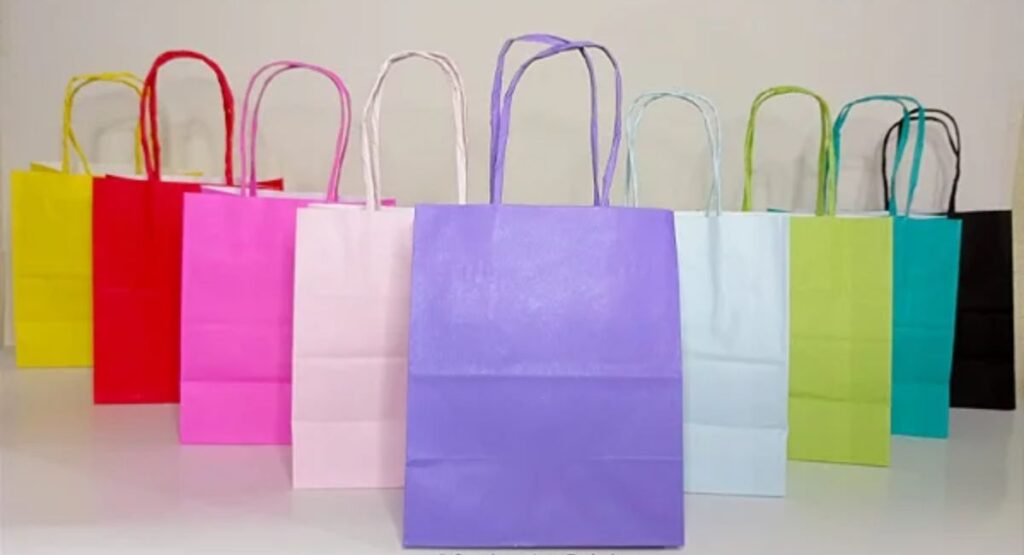
Types of Sacola de Papel
Paper bags come in various styles and structures, each serving a specific purpose.
Kraft Paper Bags
Kraft paper bags are made from strong, unbleached paper and are known for their durability. They are widely used in grocery stores, food outlets, and retail shops. Their natural brown color gives them an eco-friendly and rustic appearance.
White Paper Bags
White paper bags are usually made from bleached paper and offer a clean, premium look. These bags are popular in fashion retail, cosmetics, and gift packaging where aesthetics matter.
Handle Paper Bags
These bags come with twisted paper handles, flat handles, or rope handles. Handles increase convenience and make the bag suitable for carrying heavier items.
Flat Paper Bags
Flat paper bags are often used for food items such as sandwiches, pastries, and snacks. They are lightweight and cost-effective.
Laminated Paper Bags
Laminated paper bags have a thin coating that improves strength and moisture resistance. They are often used for luxury products and high-end retail packaging.
Manufacturing Process of Sacola de Papel
The production of paper bags involves several carefully controlled steps to ensure quality and sustainability.
Raw Material Selection
The process begins with selecting paper, often kraft paper or recycled paper. Sustainable manufacturers prioritize responsibly sourced wood pulp or recycled fibers.
Paper Cutting and Folding
Large paper rolls are cut into sheets and folded into the desired bag shape using automated machines.
Gluing and Bottom Formation
The sides and bottom of the bag are glued securely to provide strength and stability. Flat or square bottoms are formed depending on the design.
Handle Attachment
If handles are required, they are attached using strong adhesive. Handles may be made from twisted paper, flat paper strips, or cotton rope.
Printing and Finishing
Logos, brand names, and designs are printed using eco-friendly inks. Additional finishes such as lamination or embossing may be applied.
Environmental Benefits of Sacola de Papel
One of the strongest reasons for the popularity of paper bags is their environmental advantage.
Biodegradability
Paper bags break down naturally in a short period, reducing long-term waste and pollution.
Recyclability
Most paper bags can be recycled multiple times, reducing the need for new raw materials.
Renewable Resources
Paper is made from wood, a renewable resource, especially when sourced from responsibly managed forests.
Reduced Plastic Pollution
By replacing plastic bags, sacola de papel helps reduce ocean pollution and harm to wildlife.
Economic and Business Value of Paper Bags
Beyond environmental benefits, paper bags offer significant advantages to businesses.
Branding Opportunities
Paper bags act as mobile advertisements. A well-designed bag with a logo and brand message increases brand visibility and recognition.
Customer Perception
Consumers often associate paper bags with quality, responsibility, and care for the environment. This positive perception can enhance brand loyalty.
Customization Flexibility
Paper bags can be easily customized in size, color, shape, and print, allowing businesses to align packaging with their brand identity.
Compliance with Regulations
Many regions have banned or taxed plastic bags. Using paper bags helps businesses comply with regulations and avoid penalties.
Comparison Between Paper Bags and Plastic Bags
| Feature | Paper Bags (Sacola de Papel) | Plastic Bags |
|---|---|---|
| Biodegradability | Biodegradable and compostable | Non-biodegradable |
| Environmental Impact | Low when responsibly sourced | High pollution risk |
| Recyclability | Easily recyclable | Limited recycling |
| Brand Appeal | High, eco-friendly image | Often perceived negatively |
| Durability | Strong but sensitive to moisture | Water-resistant but harmful |
Uses of Sacola de Papel in Different Industries
Paper bags are versatile and widely used across industries.
Retail Industry
Clothing stores, shoe shops, and accessory brands use paper bags to enhance their brand image and provide a premium shopping experience.
Food and Beverage Industry
Bakeries, cafes, and takeaway restaurants use paper bags for food packaging due to their safety and breathability.
Grocery Stores
Paper bags are commonly used for carrying groceries, especially in stores that promote sustainable practices.
Gifting and Events
Customized paper bags are popular for gift packaging, events, weddings, and promotional giveaways.
Challenges of Using Paper Bags
Despite their advantages, paper bags also have some limitations.
Moisture Sensitivity
Paper bags are less resistant to water compared to plastic, which can affect their strength in wet conditions.
Higher Cost
Paper bags are generally more expensive to produce than plastic bags, especially when customized.
Resource Consumption
Paper production requires water and energy, making responsible sourcing and recycling essential.
Innovations in Sacola de Papel
Modern technology has addressed many traditional challenges of paper bags.
Reinforced Designs
New designs improve strength and load capacity, making paper bags suitable for heavier items.
Water-Resistant Coatings
Eco-friendly coatings enhance moisture resistance without compromising recyclability.
Recycled and Hybrid Materials
Manufacturers increasingly use recycled paper and hybrid materials to reduce environmental impact.
Future of Sacola de Papel
The future of paper bags looks promising as sustainability becomes a global priority. Governments, businesses, and consumers are increasingly aligned in reducing plastic use. Innovations in material science and manufacturing will continue to improve the durability, affordability, and functionality of paper bags.
As awareness grows, sacola de papel will likely become the standard packaging choice across more industries. Businesses that adopt paper bags not only contribute to environmental protection but also strengthen their brand image and customer trust.
Conclusion
Sacola de papel is more than a simple bag; it is a powerful symbol of sustainable living and responsible business practices. From its historical roots to modern innovations, paper bags have proven their value in a world seeking eco-friendly solutions. They offer environmental benefits, branding opportunities, and practical functionality across industries. While challenges such as cost and moisture sensitivity exist, continuous innovation is making paper bags stronger and more versatile than ever. By choosing sacola de papel, businesses and consumers take a meaningful step toward reducing environmental impact and promoting a cleaner, greener future.