
Few adornments carry the depth, cultural significance, and visual elegance of the bindi. Commonly recognized as a decorative dot worn on the forehead, the bindi has existed for thousands of years and remains one of South Asia’s most enduring cultural symbols. Its meaning stretches far beyond beauty rooted in spirituality, identity, tradition, empowerment, and personal expression. Today, the bindi continues to evolve, moving from religious contexts into global fashion, and from cultural markers into artistic statements. This article explores the history, symbolism, variations, and contemporary relevance of the bindi in detail, offering a comprehensive look at its place in both ancient and modern societies.
The origins of the bindi can be traced back over 5,000 years to ancient civilizations across the Indian subcontinent. Archaeological evidence from the Indus Valley Civilization suggests that men and women applied forehead markings for religious rituals and social distinction. While these markings were not the bindis we know today, their placement at the center of the forehead symbolized divine energy and inner focus.
Early Sanskrit texts, including the Atharva Veda, refer to the ajna chakra the spiritual third eye located between the eyebrows. The bindi evolved from this sacred concept, becoming a physical representation of the invisible spiritual sight. This connection to the divine made foreheads markings essential during ceremonies, prayer, and meditation.
Cultural Significance Across Regions
Although the bindi is most commonly linked to Hindu traditions, its use extends across multiple religions, communities, and regions. The meaning often changes depending on who wears it and for what purpose.
Hindu Tradition
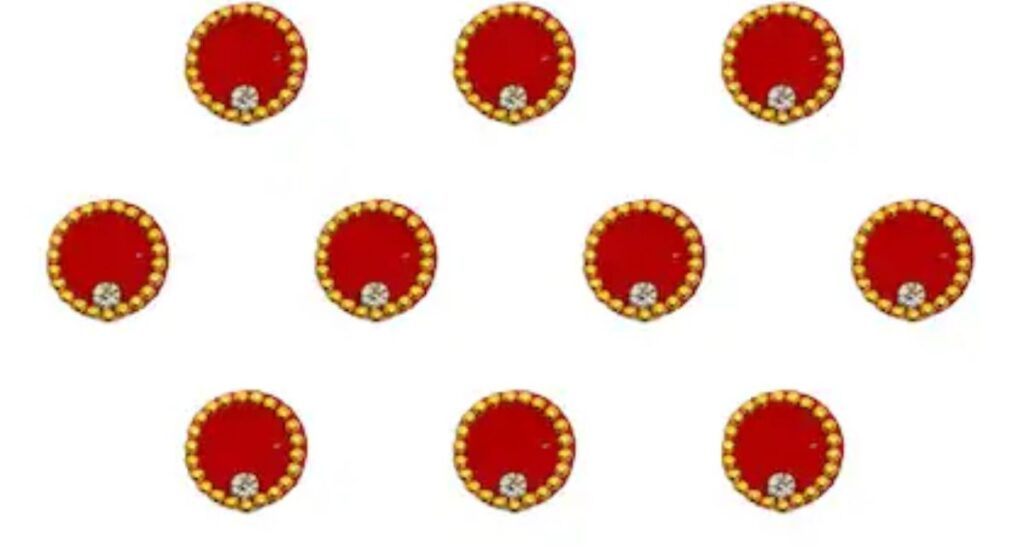
In Hinduism, the bindi historically symbolized spiritual awakening and marital status. Married women traditionally wore red bindis made of kumkum powder to signify devotion, prosperity, and protection. Red also represented Shakti, the feminine energy of strength. Unmarried girls, on the other hand, often wore black bindis as a form of protection against the evil eye. The black dot shielded the wearer from negative energy while representing innocence and youthMembers of Jain and Buddhist traditions have also incorporated forehead markings during prayer and rituals. These symbols often serve as reminders of purity, humility, and the pursuit of wisdom.
South Asian Regional Variations
The styles, shapes, and meanings of bindis differ across India, Pakistan, Nepal, Bangladesh, and Sri Lanka.
For example:
- In South India, large round red bindis remain common during festivals.
- In Maharashtra, crescent-shaped bindis are popular, especially among married women.
- In Rajasthan and Gujarat, multi-colored bindis decorated with glitter are often worn with traditional attire.
These regional differences reflect artistic creativity and centuries of evolving cultural identities.
Symbolic Meanings of the Bindi
The bindi carries multiple layers of symbolism, merging spiritual, cultural, emotional, and aesthetic values.
1. The Third Eye and Spiritual Insight
The placement of the bindi corresponds to the ajna chakra, often called the third eye or eye of wisdom. This chakra is believed to control intuition, clarity, and perception. Wearing a bindi activates this focal point, encouraging inner awareness and mindfulness.
2. Energy and Protection
Traditional beliefs hold that the forehead is a sensitive energy center. The bindi acts as a shield, preventing negative energy from entering the body. This aligns with ancient protective practices in South Asian culture.
3. Identity and Social Status
In earlier centuries, the style, color, and material of a bindi often indicated one’s cultural identity, marital status, or community affiliation. Although modern society no longer strictly follows these rules, they remain important during rituals and festivals.
4. Feminine Power
The bindi embodies feminine strength. Historically, red bindis symbolized fertility, marital harmony, and the creative power of womanhood. Today, the bindi also represents confidence, self-expression, and personal choice.
5. Aesthetic Elegance
Beyond symbolism, the bindi is a striking fashion accessory. It complements facial features, enhances traditional attire, and adds artistic charm to one’s appearance. Its beauty alone has sustained its popularity across generations.
Materials Used in Bindis Throughout History
Bindis have transformed dramatically over time, evolving from natural pigments to elaborate decorative designs.
Traditional Materials
- Kumkum (red turmeric powder) for married women
- Soot or kajal (black kohl) for unmarried girls
- Sandalwood paste used during religious rituals
- Ash (vibhuti) applied by spiritual practitioners
- Sindoor for marital symbolism
Modern Materials
- Felt or velvet-based sticker bindis
- Rhinestones, beads, and sequins
- Plastic and acrylic bindis
- Metallic bindis
- Swarovski crystal bindis for special occasions
The shift from natural powders to decorative stickers has made bindis more accessible, allowing variation in shapes, colors, and sizes.
Types of Bindis
Today, bindis come in hundreds of designs, each with its own appeal. Below is a table summarizing major types:
Table: Common Types of Bindis and Their Usage
| Type of Bindi | Appearance | Common Use | Cultural Notes |
| Traditional Round Red Bindi | Simple red dot | Daily wear, rituals | Symbol of Shakti and marital status |
| Black Kajal Bindi | Small black dot | Children, unmarried girls | Used for protection against evil eye |
| Sticker Bindis | Various colors/shapes | Casual and daily wear | Most widely used modern version |
| Stone/Crystal Bindis | Sparkling, decorative | Weddings and parties | Adds glamour and luxury |
| Long Vertical Bindi | Elongated shape | Traditional attire | Popular in South and East India |
| Designer Bindis | Artistic patterns | Fashion and events | Reflects creativity and style |
Bindis in Festivals and Rituals
Bindis play an important role in South Asian festivals, religious ceremonies, and celebrations.
Diwali
During the Festival of Lights, women and girls wear bright, decorative bindis to complement festive attire. Red and gold bindis are especially popular due to their association with prosperity.
Karva Chauth
Married women observing this fasting ritual often apply a bright red bindi paired with sindoor to signify devotion and good fortune in marriage.
Navratri
In many regions, the color of the bindi changes each day to reflect the colors of the nine forms of Goddess Durga.
Weddings
The bindi becomes more ornate during weddings. Brides typically wear large decorative bindis adorned with gems, beads, or gold elements. These augment the bridal look and symbolize beauty, strength, and blessings.
The Bindi in Art, Literature, and Ancient Texts
Bindis have long been prominent in South Asian artistic traditions. Ancient temple sculptures depict goddesses with decorated foreheads, emphasizing their divine power. Classical Indian dance forms including Bharatanatyam, Kathak, and Odissi use large bindis as part of the costume to accentuate facial expressions. In literature, poets often reference the bindi as a symbol of love, beauty, and soulful connection. It serves as a metaphor in many verses, representing not just adornment but the essence of identity.
Modern Evolution: From Tradition to Global Fashion
In the 20th and 21st centuries, the bindi transitioned beyond its traditional boundaries.
Fashion and Pop Culture
Bollywood played a significant role in elevating the bindi as a fashion accessory. Actresses popularized experimental designs, making bindis a must-have part of makeup routines. Global pop stars and fashion designers have also embraced bindis, using them in photo shoots, music videos, and runway shows. Although this sparked discussions about cultural appropriation, it also introduced the bindi to a wider audience, fostering appreciation and curiosity.
Minimalist and Everyday Bindis
Younger generations prefer small, minimalist bindis in neutral colors that match both traditional and modern clothing. This shift showcases how the bindi adapts to changing aesthetics.
Gender and Identity
While bindis historically were associated with women, many men today wear forehead markings for spiritual or cultural reasons during festivals and rituals. The modern era encourages personal freedom, enabling individuals to choose bindis based on style rather than tradition alone.
Cultural Sensitivity and Appropriation
The global popularity of the bindi has sparked discussions about respect and cultural awareness. For South Asians, the bindi is deeply personal, tied to centuries of history and spirituality. When individuals from outside the culture wear bindis without understanding their significance, it can feel dismissive or exoticizing.
Respectful appreciation involves:
- Learning the history and meaning
- Wearing bindis during appropriate cultural events
- Avoiding their use as costumes or mere novelty items
This awareness ensures that cultural symbols like bindis remain honored rather than misused.
Psychological and Symbolic Empowerment
For many women today, the bindi is not just an ornament it’s an expression of identity and empowerment. Wearing a bindi can feel grounding, enhancing one’s sense of presence and confidence. It also serves as a connection to heritage, reminding individuals of their roots even in modern or international environments.
Many young South Asian women describe the bindi as:
- A symbol of pride
- A touch of tradition
- A mark of elegance
- A cultural reminder
- A personal trademark
This emotional connection adds depth to the practice of wearing bindis today.
Bindis in the Modern Marketplace
The bindi industry has expanded significantly. Today, bindis are available in stores, boutiques, online marketplaces, and fashion brands. Customized bindi sets, themed bindis, bridal collections, and handmade designs have gained popularity.
The rise of small businesses and artisans has contributed to the revival of handcrafted bindis, promoting cultural craftsmanship and heritage preservation.
Future of the Bindi
As global fashion and cultural identity evolve, the role of the bindi is set to grow even more multifaceted.
Future trends may include:
- Digital bindis used in augmented reality makeup apps
- Eco-friendly bindis made from natural materials
- Fusion bindis that combine traditional motifs with futuristic designs
- Personalised bindi designs created through 3D printing
These innovations hint at a future where the bindi remains timeless while embracing modern creativity.
Conclusion
The bindi is far more than a decorative dot it is a cultural legacy, a spiritual emblem, and a timeless fashion statement. From ancient rituals to contemporary runways, the bindi continues to evolve while keeping its roots firmly grounded in tradition. Its symbolism spans identity, protection, beauty, empowerment, and connection to the divine. As the world becomes more interconnected, the bindi stands as a testament to the power of cultural expression and the beauty of heritage carried across generation.